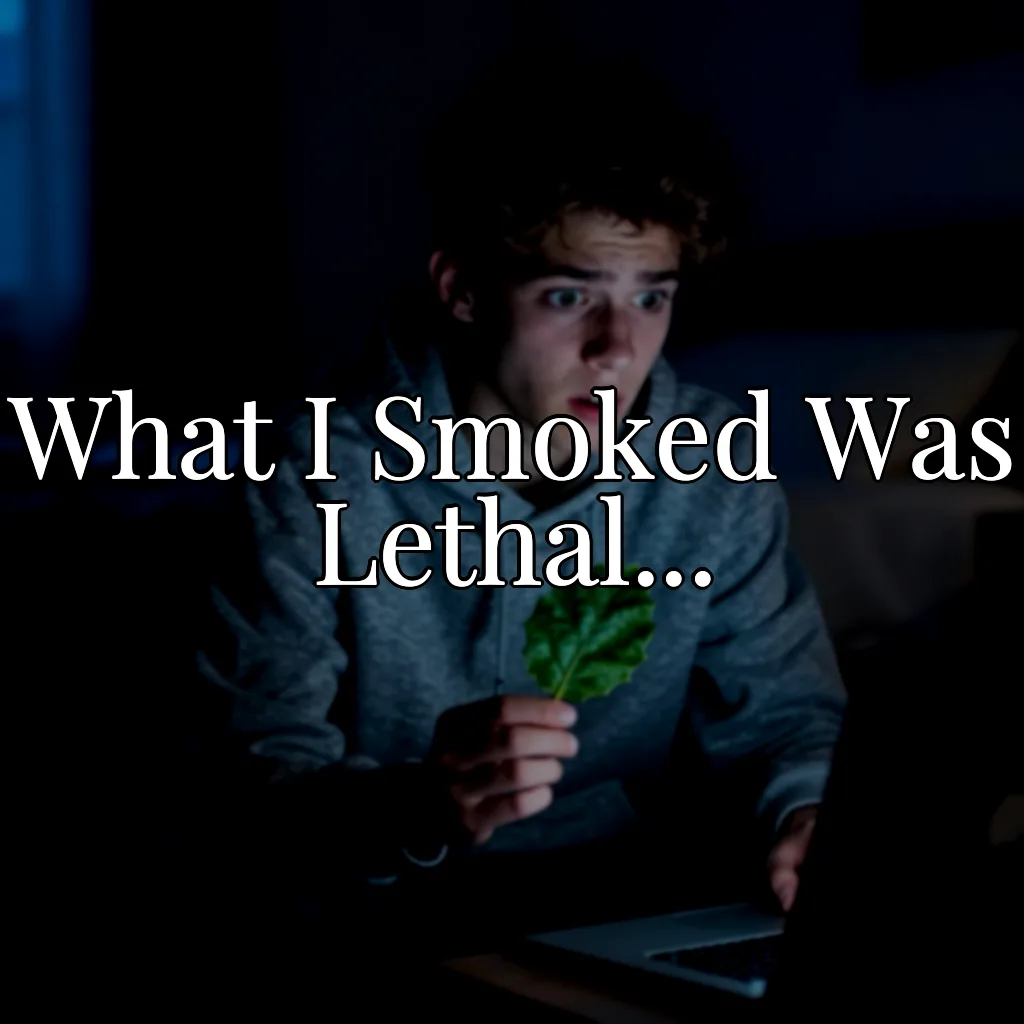
Back in 2010, I was a lonely, socially awkward teenager with zero connections and even less knowledge of plants. My idea of a thrilling adventure? Finding something green that looked like it might help me relax. I didn’t know what I was doing — and that ignorance almost got me killed.
The Beginning
I remember walking through an overgrown corner of my neighborhood, eyes scanning for anything unusual. I was desperate for a way to fit in, to feel normal. And then I saw it — a plant with big, palm-shaped leaves, growing wild near a fence. To my untrained eyes, it looked exactly like what people said weed looked like. No one had ever taught me about plants. I didn’t even know the word “botany.”
I thought I’d struck gold. No money, no awkward conversations — just nature’s free gift. I grabbed some of the leaves, excited and nervous. I brought them home, rolled them up like I’d seen in movies, and lit one. The smell was strange — earthy, almost sweet — but I didn’t think twice. I inhaled, expecting a buzz. Instead, I just felt… nothing. But I didn’t care. I was on a mission to escape my loneliness.
Later, I started coughing. Not bad. Just a little tickle. I blamed it on the smoke. I didn’t think it was a warning.
What I Didn’t Know
That plant wasn’t weed. It was Ricinus communis — the castor bean plant. The seeds contain ricin, one of the most toxic substances on Earth. A few grains of this poison can kill a full-grown person. There’s no antidote. It’s a protein toxin, and if ingested, it shuts down your cells in a terrifying, slow way. My heart started pounding as I stared at the plant, remembering how I’d handled it like it was nothing.
I thought I was being clever. I was actually being dangerously stupid.
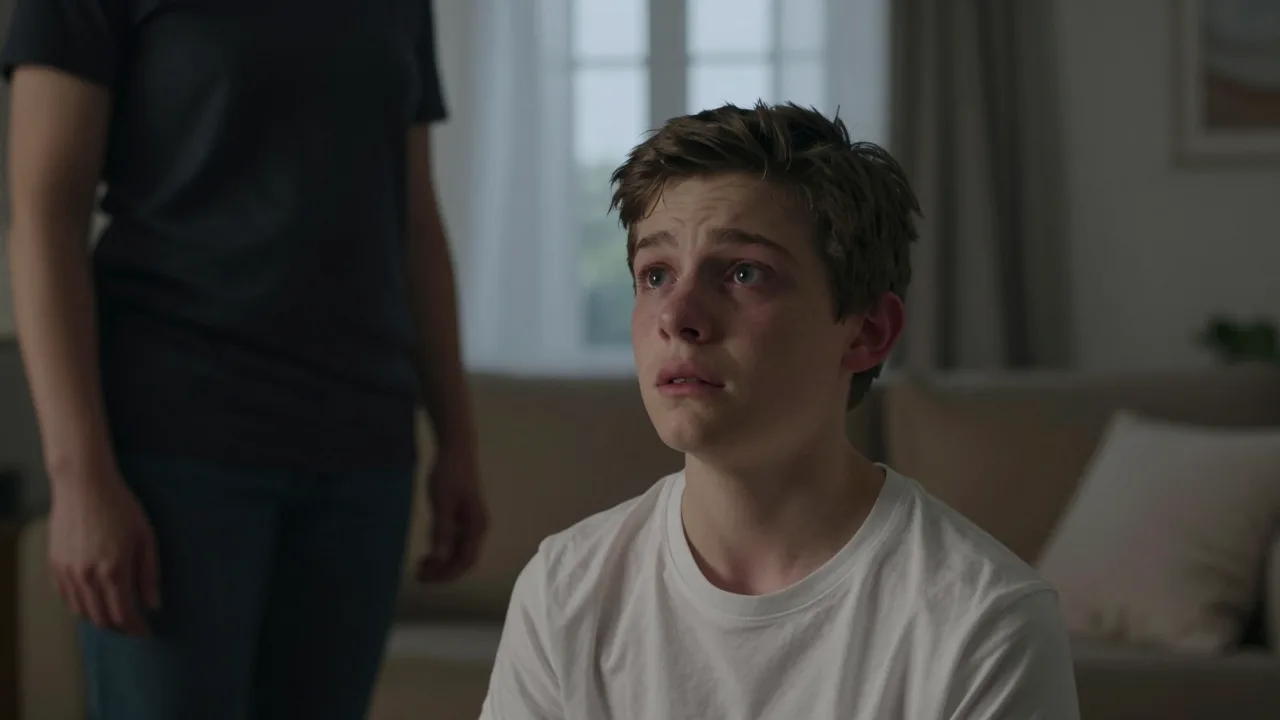
I only found out the truth when my parents found the plant in my room. They weren’t angry — they were scared. “What is this?” my mom asked, holding up a leaf. “Where did you get it?” My dad looked pale. “This is toxic,” he said. “You could’ve died.”
What I Discovered
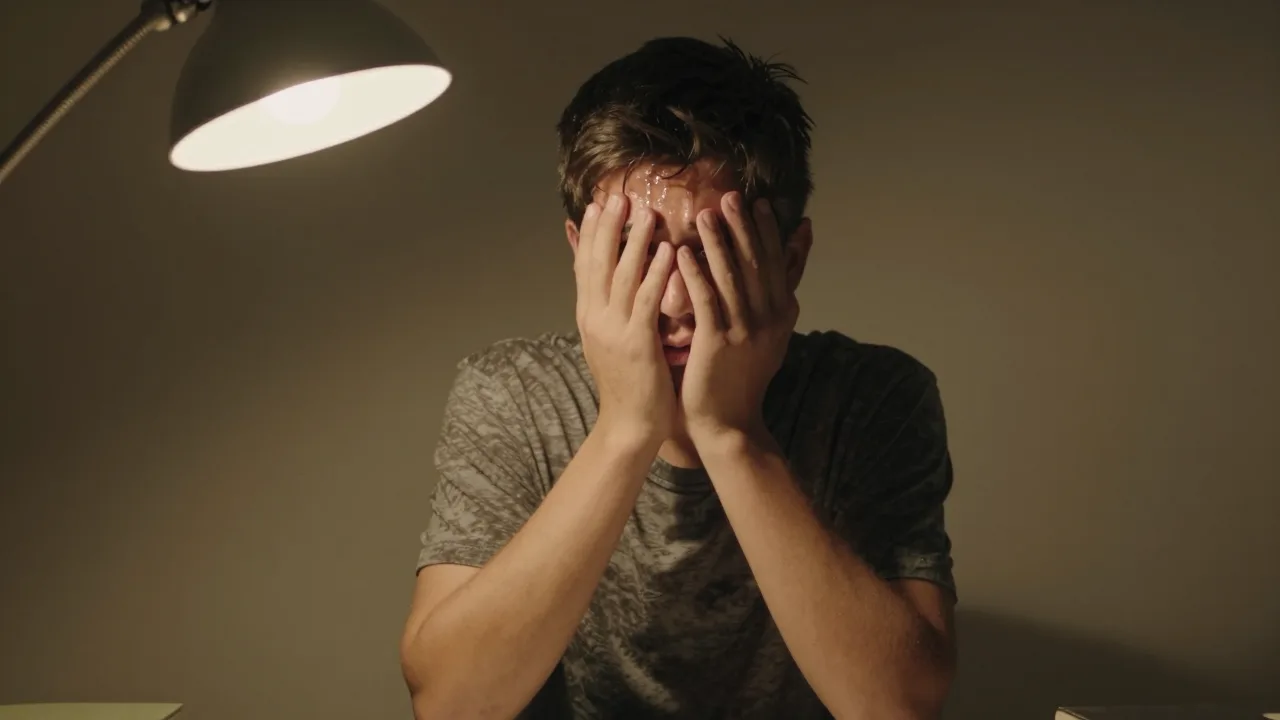
My mind went blank. I couldn’t breathe. I started sweating. All I could think was Am I going to die? How long do I have? I spent the next few days in a state of panic, waiting for symptoms to show — nausea, vomiting, trouble breathing. Every small ache felt like the beginning of the end.
I didn’t know ricin is deactivated by heat. Since I smoked it, the intense fire broke down the protein. I was lucky. So incredibly lucky. I didn’t try to eat it. I didn’t make any baked goods. I just smoked it — and that fire, that one act of ignorance, may have saved my life.
I later learned that ricin is so dangerous, even governments use it in bioweapons research. The fact that I thought it was a harmless plant? It’s hard to wrap my head around.
- My biggest mistake: trusting my eyes over my brain.
- My biggest stroke of luck: using heat to neutralize the poison.
- My biggest lesson: never assume something is safe just because it looks familiar.
The Confrontation
When my parents realized what I’d done, they didn’t yell. They sat me down. “You don’t know how close you came,” my dad said. “This isn’t something you just recover from. This is life or death.”
Speed matters when you’re dealing with poison. My ignorance was a ticking time bomb.
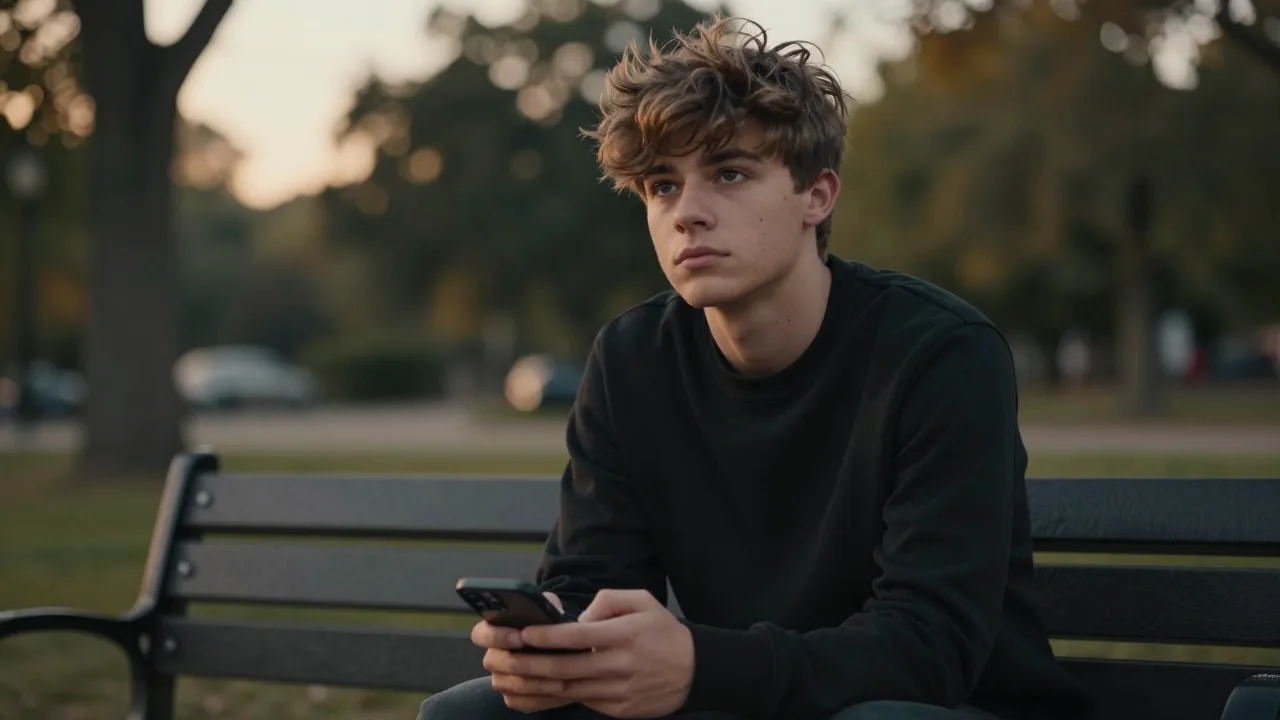
They took me to the doctor, who ran tests. My bloodwork came back clean — no signs of poisoning. I was alive. But I wasn’t unscathed. I had a new fear: of nature, of plants, of anything I didn’t understand.
My friend at school found out later. He looked at me like I was a ghost. “You smoked that? Dude, you’re lucky to be here.” He didn’t say it with mockery — he said it with genuine awe. “I’d be terrified just walking through a garden now.”
Looking Back
Now, years later, I still think about that day. It wasn’t just a mistake — it was a near-death experience disguised as a dumb teenage prank. I shouldn’t have been so reckless. I shouldn’t have assumed I knew what I was doing. But I was young. I was desperate. I wanted to feel like I belonged.
It’s a miracle I survived. Not because I was smart — because I was lucky. The fire I used to smoke it — that was the one thing that saved me. If I had eaten any part of it, I wouldn’t be here today.
Ignorance doesn’t always mean stupidity — sometimes it just means you haven’t learned the lesson yet.
That plant taught me more than any biology class ever did. I now look at every plant with caution. I research before I touch. I know that nature can be beautiful — and deadly. And I never, ever, trust appearances again.
What I thought was a way to escape my loneliness turned into a wake-up call. I survived — but I’ll never forget what it felt like to be so close to the edge.
And if I ever doubted the power of small decisions, this experience proved it. One wrong choice. One misidentified plant. One near-death story that changed everything.

0 Comments
Leave a Comment
Comments must be in English and will be reviewed before appearing.
No comments yet. Be the first to share your thoughts!