
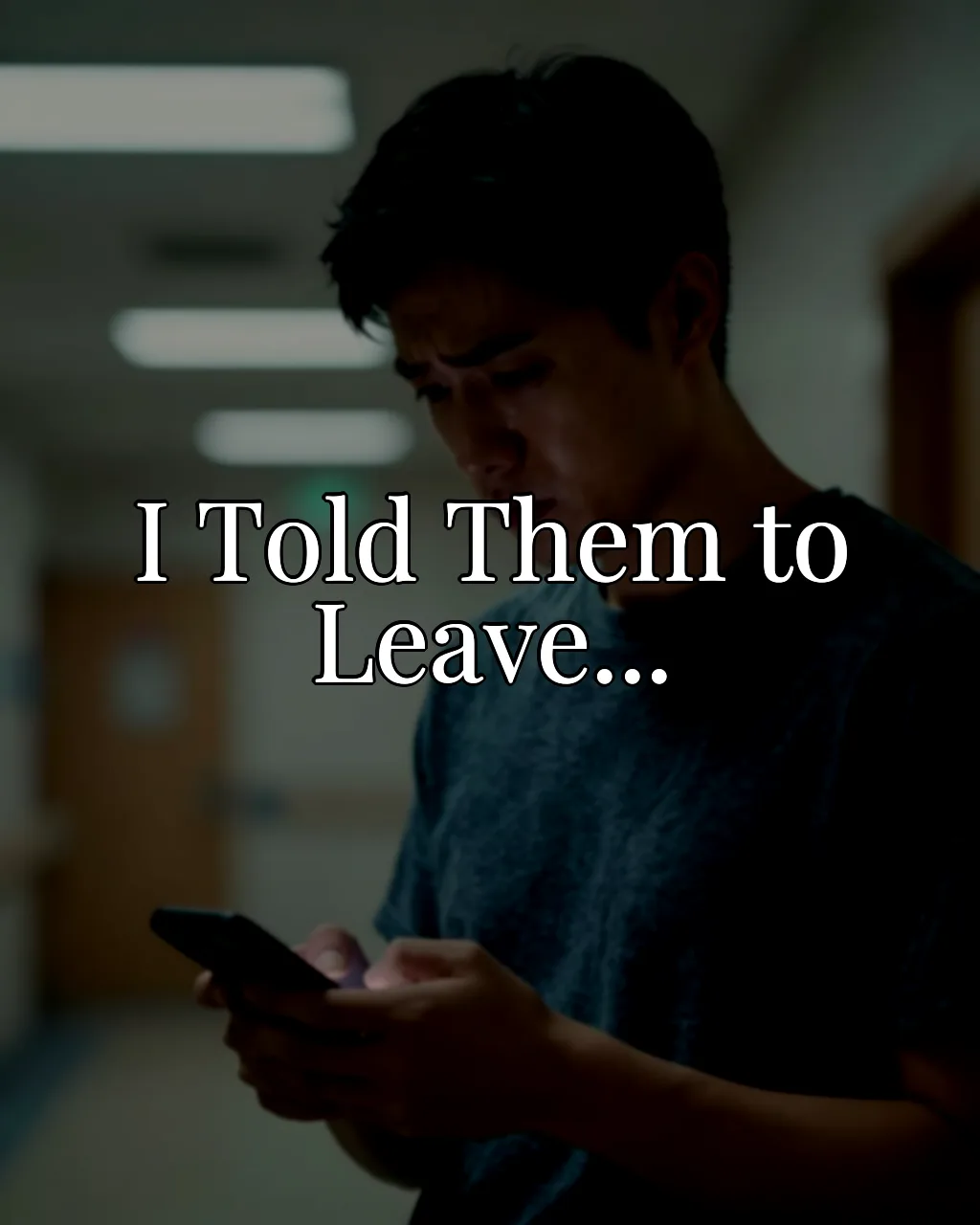
My wife and I had talked about it for weeks. The day our son was born was going to be about her, the baby, and me. No distractions. No stress. No guests. We’d made it clear to everyone—especially our families—that this day was about healing, rest, and first moments that weren’t interrupted by well-meaning but overwhelming visitors.
The Beginning
When I got the call that she was heading into the operating room for a C-section, I immediately messaged our family group chat. I told them the procedure was happening and that we’d let them know when everything was settled. I didn’t say “you can’t come,” because I didn’t need to. We’d already said it. We’d built it into the plan.
My wife had been through so much leading up to that day. The pregnancy was high-risk, and she’d been on bed rest for months. Her body was exhausted. Her emotional state? Torn. We’d both agreed that no one needed to be there for the birth itself. Not even family. Not even the most well-intentioned.

I texted the group chat a few hours later: “Everything went well. Mama and baby are perfect. We’re all doing okay.”
What I Discovered
Five minutes later, my phone blew up with a message from my mother-in-law.
"I know you didn’t tell me to come, but we are in the waiting room. We’re so excited and want to be here for you two!"
My heart sank. I stared at the screen. They didn’t ask. They didn’t wait. They just assumed they could walk in. I felt a wave of anger, but I had to stay calm. I replied: “We appreciate you coming up, but we need to be alone right now. Please go home. We’ll see you tomorrow.”
Was I being too harsh? Maybe. But I wasn’t thinking about me. I was thinking about her. My wife had just had major surgery. Her body was open. She was weak. She was in pain. She hadn’t even had a chance to hold our son yet.

The Reality of the Room
When you're in that hospital room, the world shrinks down to a single moment. There’s no room for small talk, no space for emotional outbursts, no time for explanations. All that matters is the person lying in the bed, the tiny baby in their arms, and the silence that comes after the storm. And in that silence, I had to protect that space.
It wasn’t about disrespecting my MIL. It was about respect—respect for my wife’s recovery, respect for the vulnerability of this moment, respect for our new family’s peace.
But the moment I sent that text, the phone started buzzing again. It was my father-in-law. He called me. And he didn’t just yell. He shouted. He called me names. He said I was heartless. He said I was treating my own mother-in-law like a stranger. He said I was putting my ego ahead of family.
I was stunned. I didn’t say anything at first. I just listened. And then, when he was done, I said, “This isn’t about you. This is about my wife. This is about our son. This is about the fact that she just had major surgery to bring our baby into the world. And she didn’t want visitors. She said no. And I just followed her lead.”
The Confrontation
Minutes later, I got a long message from my MIL. It was over 500 words. She said I was “disrespectful,” “uncaring,” and “ungrateful.” She said I’d hurt her feelings and that she’d never forgive me. She said she was “devastated” and “the only person she could turn to.”

Her words stung. But they didn’t surprise me. I’d seen this before—families who don’t understand boundaries, who think love means showing up uninvited, where presence overrides permission.
And then she said it:
“You don’t know how much we’ve done for you. We’ve been there every step of the way. And this is how you repay us?”
I stopped. I read that again. How do you repay someone who shows up when they’re not wanted? Who invades a sacred space? I didn’t reply. I didn’t fight back. I just blocked them.
We haven’t spoken since. No calls. No texts. No family events. Just silence.
Looking Back
Now, I’m not sure if I made the right choice. But I know I did what was right for my wife. For our baby. For our family.
When people say, “You’re being too hard,” I think about what my wife looked like in that hospital bed—drained, shaken, and just wanting to hold her child in peace. She didn’t want her mom whispering about the weather. She didn’t want her father arguing with me about who was “right.” She wanted quiet. She wanted us.
And that’s what I gave her. I gave her that space. I protected it. I stood up for what mattered—not what was comfortable.
My friend who’s a nurse said something that stuck with me: “You’re not being rude. You’re being responsible. The moment you let someone in when the patient says no, you’re putting their health at risk.”
And that’s exactly what I did. I protected her. I protected our family. I protected our peace.
Was I wrong? I don’t think so. But I’ll never know if I could have handled it differently. Maybe I could’ve been gentler. Maybe I could’ve explained more. But I’d do it again. Because sometimes, love means saying no.




0 Comments
Leave a Comment
Comments must be in English and will be reviewed before appearing.
No comments yet. Be the first to share your thoughts!